Cancer Care and Women's Health
Transforming access to care for women and children across Tanzania.
Healthcare That Changes Lives
Cancer remains one of the leading health challenges in Tanzania -but most cases are preventable with the right education, early detection, and treatment. At the Mo Dewji Foundation, we’ve built a bold, integrated healthcare model designed to save lives and strengthen families. By combining screenings, education, nutrition, and treatment support, we’re ensuring no woman or child is left behind.
Tackling Cancer Where It Starts
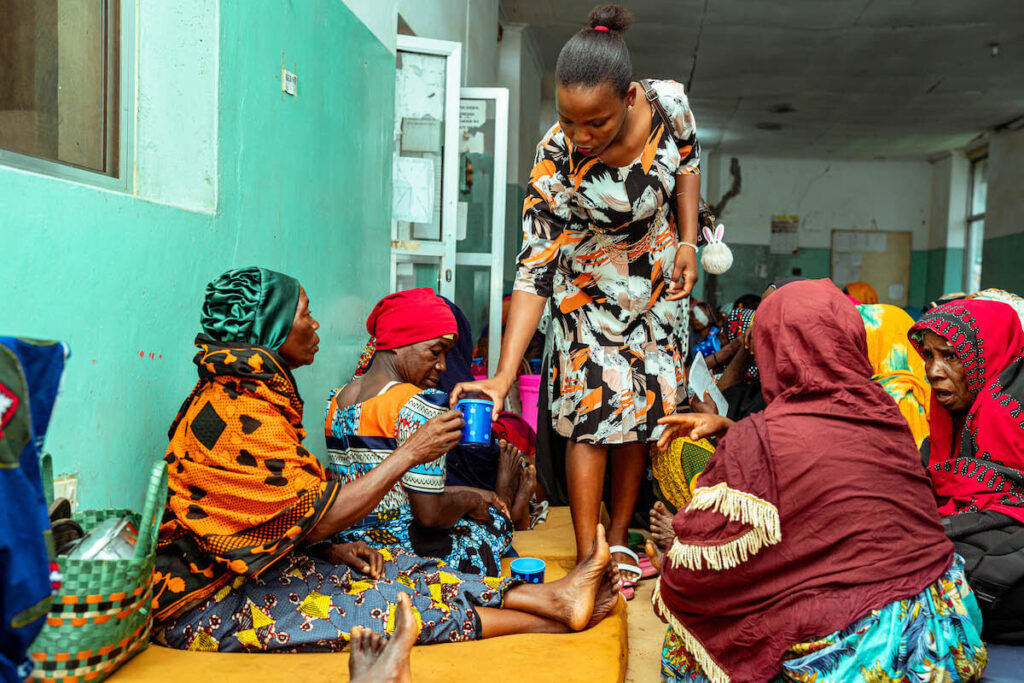
We bring critical cancer screenings and education directly into our existing health camp network, meeting patients where they already come for care.
- Cervical Cancer: 16,400+ screenings, 540+ cryotherapies, and referrals to advanced treatment centers like Benjamin Mkapa Hospital.
- Breast Cancer: 15,000+ breast exams completed, with referrals for follow-up care when needed. Pediatric
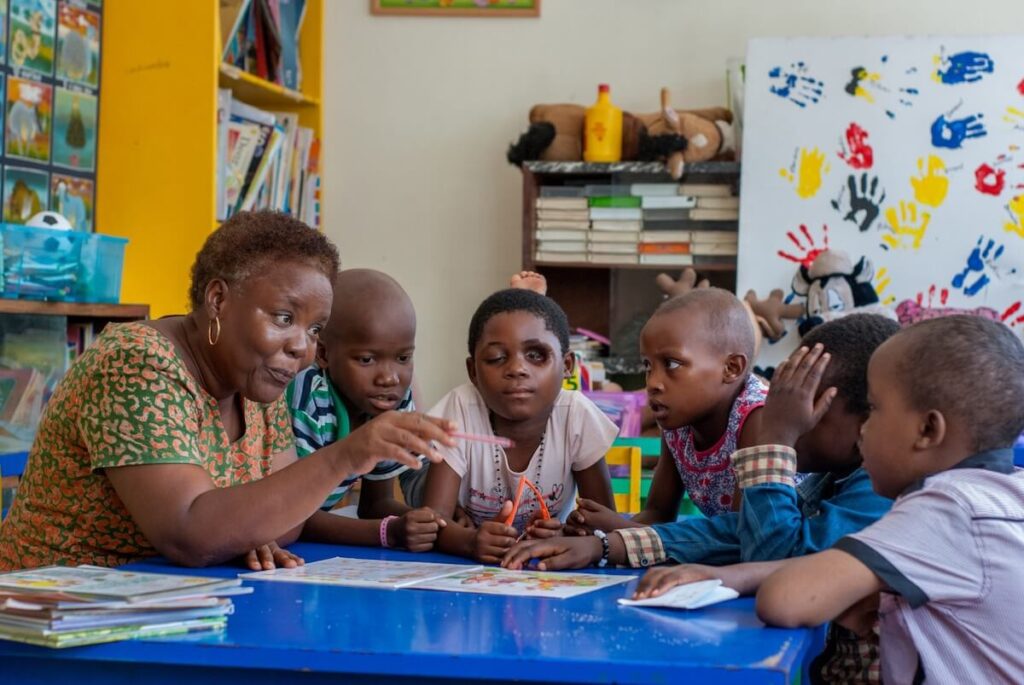
- Cancer: In partnership with Tumaini La Maisha (TLM), more than 3,500 children receive free treatment, accommodation, and ongoing family support each year.
Our Integrated Approach
We go beyond treatment, focusing on prevention, access, and empowerment:
- Prevention: HPV vaccinations, early detection programs, and community awareness.
- Nutrition: Promoting folate-rich diets, community food gardens, and fortified produce to strengthen long-term health.
- Access & Equity: Bringing specialists and diagnostic tools directly into rural areas where healthcare is hardest to reach.
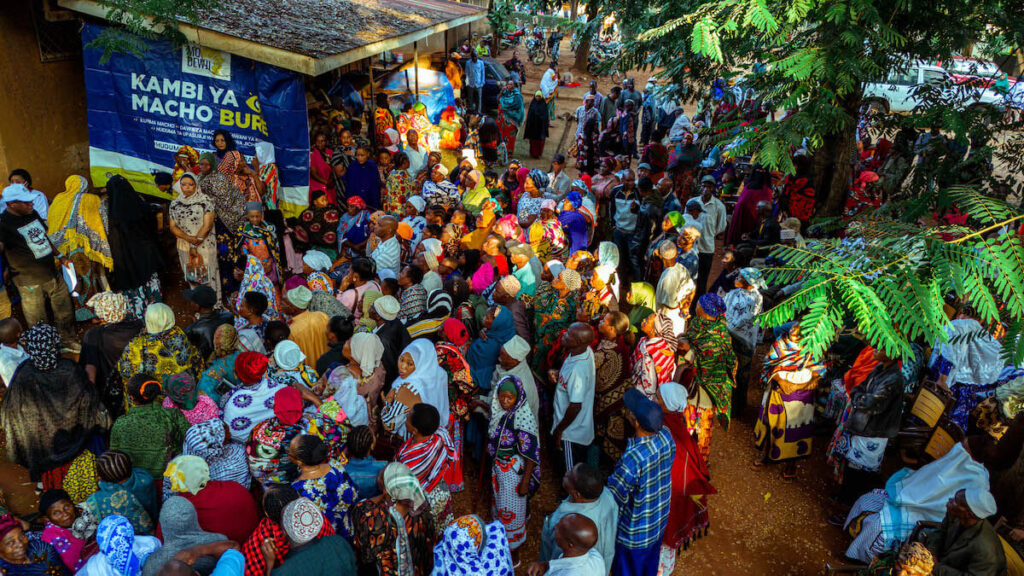
The Human Impact
Our Vision for 2030
By 2030, we envision a Tanzania where:
- No woman dies from preventable cancer.
- No child is denied life-saving treatment.
- Every community has equitable access to healthcare and education.
Join Us in Expanding Access to Care
Frequently Asked Questions
No, Tumaini la Maisha is an independent organization that the Mo Dewji Foundation supports.
We encourage support from both individuals and organizations collectively.
Our ultimate goal is to provide holistic mobile health care services to communities that have limited or no access to health care services in rural areas. This would be in partnership with the Ministry of Health by extending its services primarily at regional referral centers to all the districts and all the wards in each region of the country.
Yes, we would be excited to receive innovative initiatives and discuss how best we can better serve the underprivileged communities in Tanzania.
Generally we look at past evidence of impact, scale of reach in terms of people, and cost efficiency.