Water
The Mo Dewji Foundation supports the Ministry of Water’s WASH initiatives to ensure every Tanzanian has access to safe drinking water. Our program focuses on sustainable water infrastructure, improved sanitation, and hygiene education for long-term community health benefits.
Our Work In Improving Access to Water
The Mo Dewji Foundation supports the Ministry of Water’s WASH initiatives to ensure every Tanzanian has access to safe drinking water. Our program focuses on sustainable water infrastructure, improved sanitation, and hygiene education for long-term community health benefits.
The Mo Dewji Foundation’s commitment to water access began over a decade ago, when founder Mohammed Dewji witnessed the water crisis in the Singida region firsthand. That moment shaped his life’s work, leading to the construction of 49 wells during his tenure as a Member of Parliament. Despite this, roughly 4 million people in central Tanzania still lack access to clean water, a reminder that building wells is only the beginning.
One Water
Everything is connected
Healthy wetlands and water resources are among the key pillars highlighted in Tanzania Development Vision 2050 as crucial for Tanzania’s transformation into a prosperous, just, inclusive and sustainable nation. Yet wetlands and water sources face intense pressure from encroachment and unsustainable human activities. By 2050, Tanzania is expected to face water stress due to population growth, climate change and increased demand from the expanding economy.
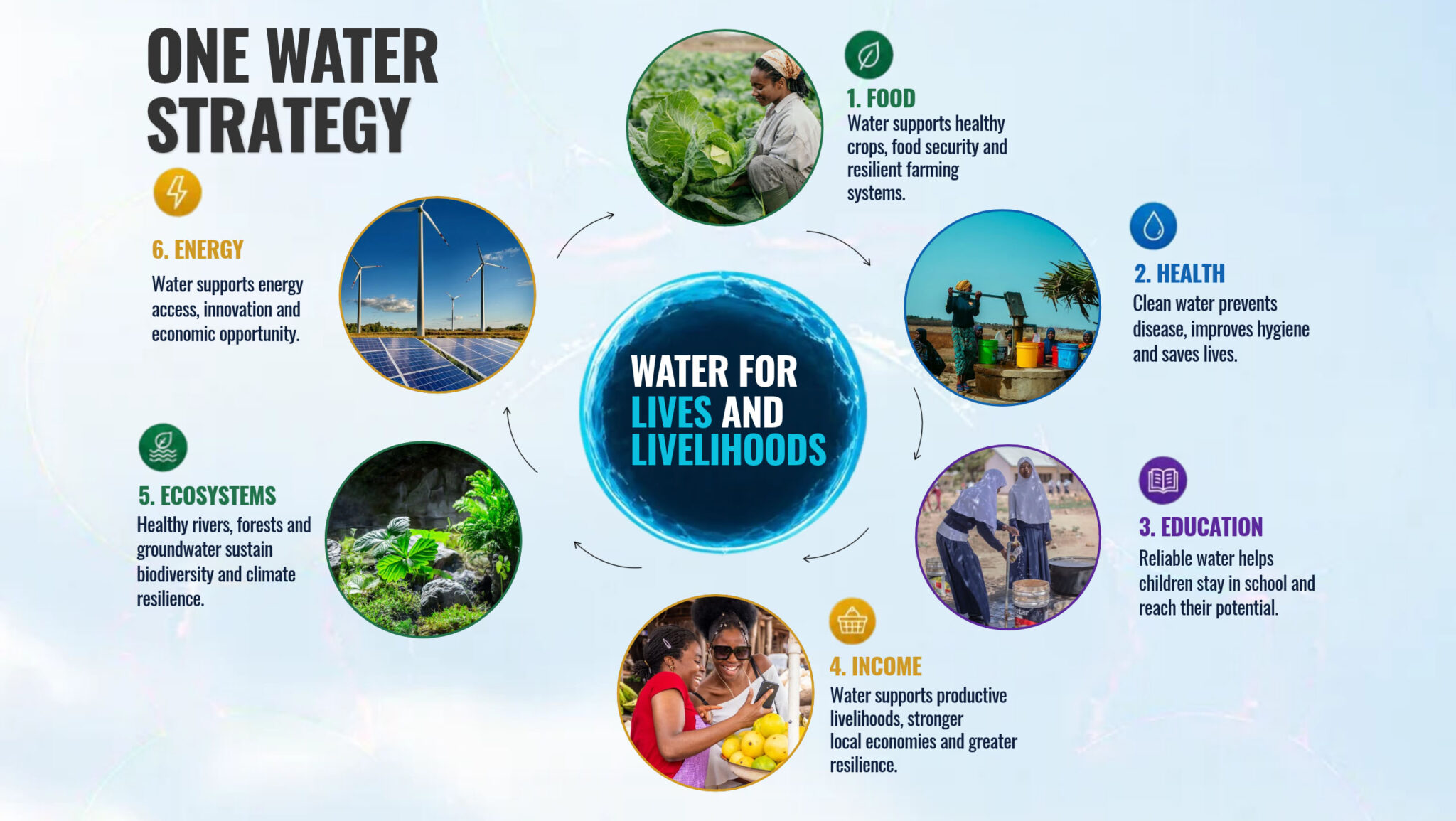
In support of the Government’s efforts to achieve this vision, the Mo Dewji Foundation (MDF) has developed its One Water Strategy, a scientific concept and practical framework that encourages people, government and organisations to treat water, energy and food as a single, interconnected system. For example, creating a food forest alongside water access points addresses all three challenges at once. Soil moisture (water) reduces the need for energy-intensive irrigation (energy), while supporting the production of diverse, nutritious food (food).
The MDF One Water Strategy responds to these pressures by investing in improved and equitable water access, alongside practical actions on soil health, reforestation and agroecological food systems that restore the natural water cycle rather than simply extracting from it. These solutions contribute significantly to the preservation of wetlands and water sources, in line with Vision 2050’s goal of ensuring the availability of water of sufficient quantity and good quality for socio-economic development and environmental sustainability. Learn more about our strategy
SaWa Bags
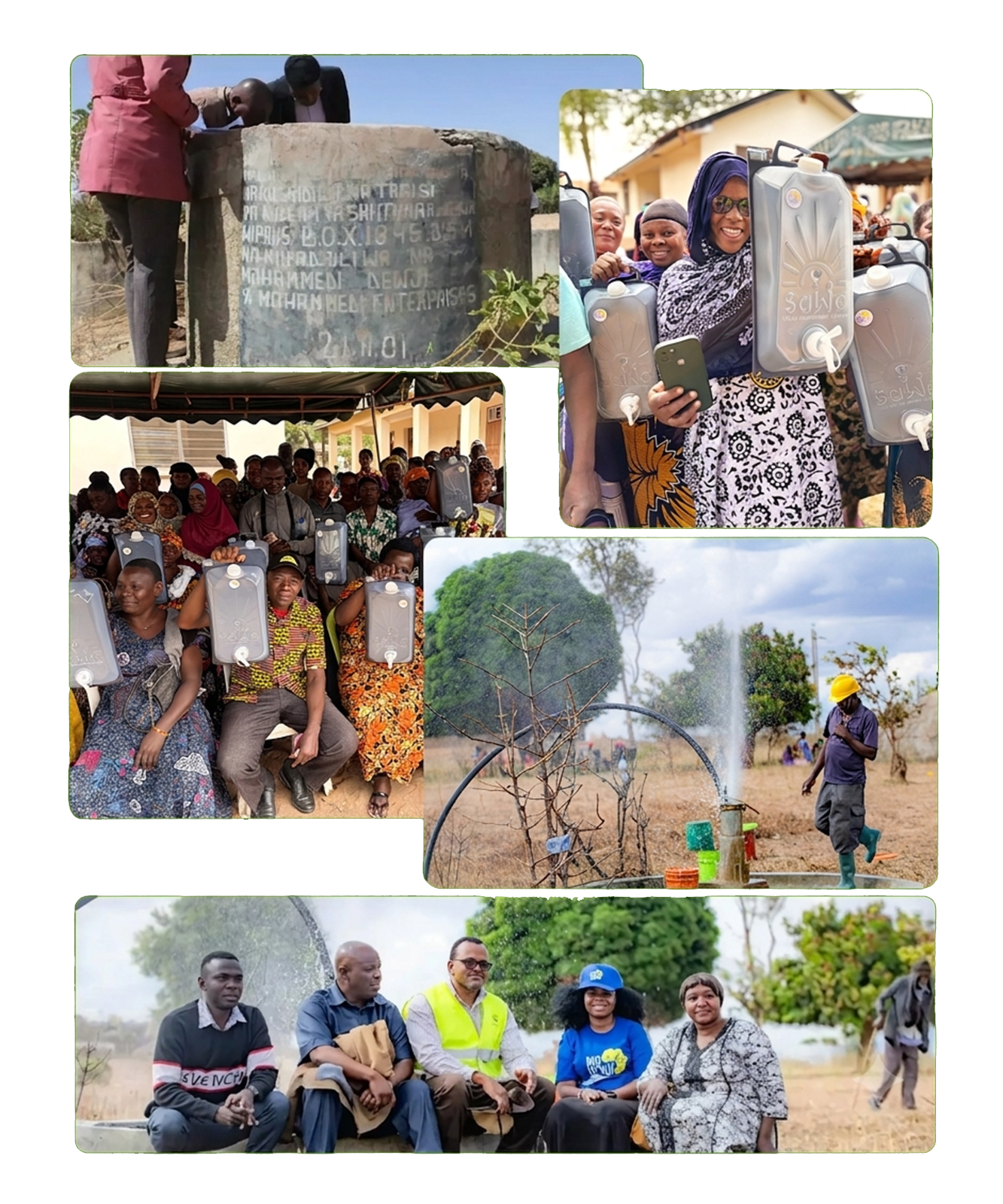
A well at the centre of a village is a transformation, but the journey from well to cooking pot is still long. Contamination during storage remains one of the most common pathways to waterborne disease in rural Tanzania. We are working to close that gap. In Ifakara, Morogoro region, MDF has piloted the SaWa Bag, a low-cost water purification and storage bag that treats and safely stores water at the household level. We have distributed 1,450 bags so far, reaching an estimated 7,250 people with a daily, point-of-use safe water solution, and critically, placing safe-water decisions in the hands of the women who run rural Tanzanian households.
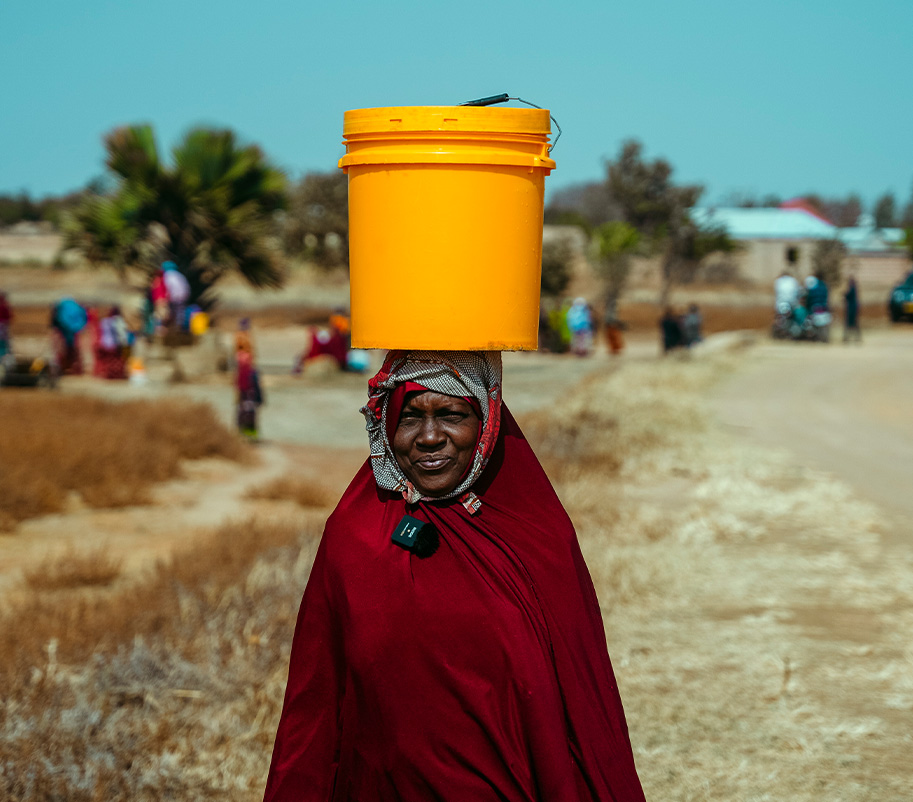
We used to walk long distances to collect water and shared the same water sources with livestock. Now we have clean water close to our community, making life much easier. We are truly grateful.
Mwasiti Shabani
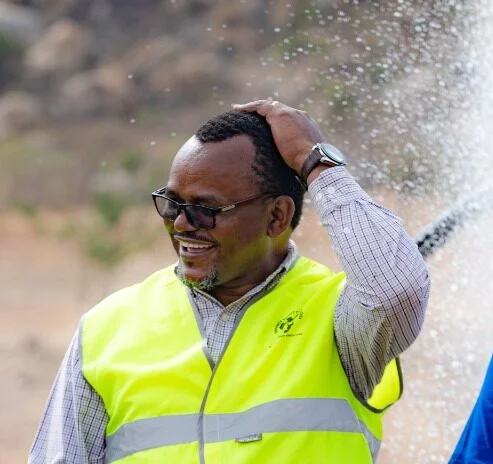
I greatly applaud this foundation for their support to the communities in Tanzania. This will enable the unprivileged to acquire basic necessities of life.
Eva Peter
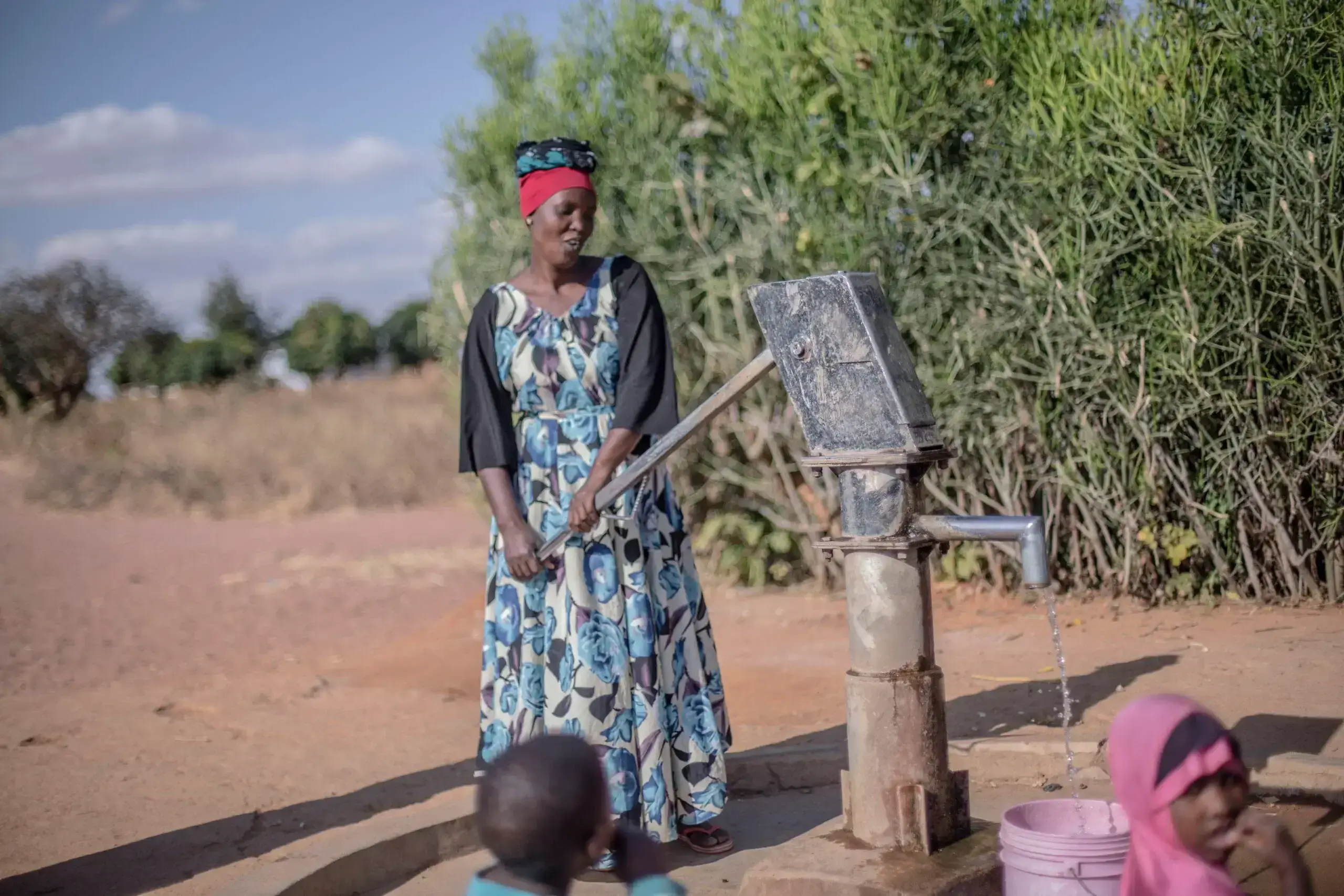
Especially here in Mikesi, people abandoned the well after it dried out. We are grateful and the community is grateful for the effort made to rehabilitate the well. Now we don’t have to travel a long distance for clean and safe water.
Jackline Ramadhan
We BUILD AND MONITOR
Water Wells Inspection with ESTL
The Non-Governmental Organization that Enables Communities to Change Lives (ESTL) in collaboration with the Mo Dewji Foundation has started an inspection of more than 22 wells built by Mohamed Dewji in 13 wards of Singida Municipality.
Frequently Asked Questions
We are deploying a village-centric model. So, any one of the 12,000+ villages in the United Republic of Tanzania is entitled to write to us, and upon validation of a needs assessment, we can start exploring how best to support you!
We encourage support from both individuals and organizations collectively.
None at the moment, but as part of our holistic development program, the management of the water sources will be integrated upon successful delivery and access to clean and safe water.
Yes, we work with Water Authorities, Local Government, and the Ministry of Water to try and be integrated within the national water grid for long-term sustainability.
We currently focus on delivering immediate water needs to communities in need. Long-term sustainability can only be achieved by collaborating more strategically with the Water Authorities and ultimately, the Ministry of water.